
Dokra art is an ancient and enchanting form of metal casting, known for its intricate designs and unique appeal. This craft has been practiced in India for over 4,000 years and is named after the Dhokra Damar tribes of West Bengal. Dokra traditional art continues to captivate art enthusiasts and collectors around the world due to its distinctiveness and the traditional methods used in its creation.
🎉 Calling All Creative Students!
Unleash your imagination in the Areawala Child Painting Challenge !
✨ Showcase your art and earn:
- 🏅 A Prestigious Gold Medal
- 📄 A Free Certificate of Participation
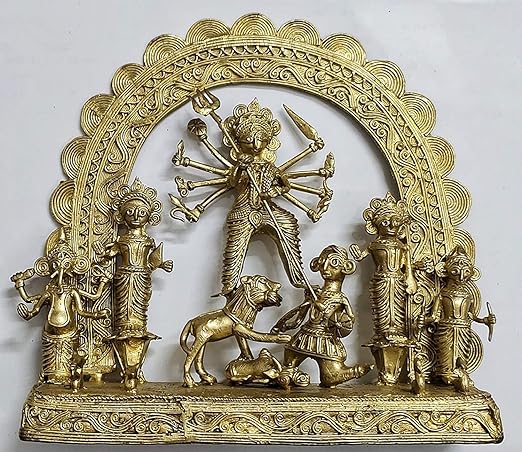
Buy Dokra Traditiona Art and preserve a precious part of India’s cultural heritage and contribute to the livelihood of skilled artisans
The Process of Making Dokra Art
- Creating the Mold: The process begins with crafting a clay model of the desired object. Artisans then cover this model with layers of wax threads, which form the detailed patterns and designs on the final piece.
- Adding Layers: Another layer of fine clay is applied over the wax-covered model, carefully preserving the intricate details of the wax designs.
- Heating: The clay model is then heated. The heat causes the wax to melt and flow out, leaving a hollow space within the clay mold.
- Pouring Metal: Molten metal, usually brass or bronze, is poured into the hollow space left by the melted wax.
- Finishing Touches: Once the metal has cooled and solidified, the outer clay mold is broken away, revealing the metal figure. The piece is then polished and given final touches to enhance its beauty.
The Unique Features
- Handmade Quality: Each Art piece is individually handcrafted, ensuring that no two pieces are exactly alike. This uniqueness adds to the charm and value of each item.
- Eco-Friendly Practices: The materials used in this art, such as clay, beeswax, and metal, are all natural and environmentally friendly.
- Cultural Significance: Art represents India’s rich cultural heritage and traditions, often depicting themes from tribal life, nature, and mythology.
Common Themes in Dokra Art
Art often portrays a variety of subjects, including:
- Animals: Elephants, horses, owls, and other animals are commonly depicted, often in a stylized and ornate manner.
- Human Figures: Tribal people engaged in various activities, dancers, musicians, and deities are popular motifs.
- Nature: Trees, flowers, and other elements of nature are frequently featured, reflecting the close relationship between tribal communities and their natural surroundings.
Where to Find Dokra Traditional Art
Dokra Traditional Art is produced in several Indian states, including West Bengal, Odisha, Chhattisgarh, and Jharkhand. It is available in local markets, craft fairs, and online stores, making it accessible to art lovers worldwide.
Conclusion
Dokra art is a timeless and beautiful craft that connects us to India’s ancient traditions. By owning a piece of art, you not only acquire a unique and exquisite item but also support the talented artisans who keep this tradition alive.
FAQs
Q1: What materials are used in Dokra art?
A: This art primarily uses clay, beeswax, and metal (usually brass or bronze) in its creation process.
Q2: How old is Dokra art?
A: This Art form has been practiced for over 4,000 years, making it one of the oldest forms of metal casting in the world.
Q3: Where is Dokra art made?
A: Dokra art is made in several Indian states, including West Bengal, Odisha, Chhattisgarh, and Jharkhand.
Q4: What makes Dokra art unique?
A: Each Dokra piece is handmade and unique, featuring intricate designs and patterns. The use of eco-friendly materials and traditional methods also adds to its distinctiveness.
Q5: Can I buy Dokra art online?
A: Yes, This wonderful art is available in various online stores like amazon. u003cstrongu003eu003ca href=u0022https://amzn.to/3xcgiQ7u0022u003eBuy Dokra Artu003c/au003eu003c/strongu003e and preserve a precious part of India’s cultural heritage and contribute to the livelihood of skilled artisans.
View India’s popular art form
- Madhubani Painting: Also called Mithila Painting. Vibrant folk art from Bihar, known for intricate patterns and storytelling.
- Warli Art: Tribal art form from Maharashtra, characterized by simplistic yet expressive depictions of daily life.
- Tanjore Painting: Classical South Indian art form renowned for its rich use of gold foil and vibrant colors.
- Kalamkari Painting: Ancient art form from Andhra Pradesh, using natural dyes and intricate storytelling on cloth.
- Mughal Painting: Detailed miniature paintings from the Mughal era, showcasing courtly scenes and historical events.
- Pattachitra Painting: Traditional art form from Odisha, featuring bold lines, vibrant colors, and mythological themes.
- Gond Painting: Tribal art form from Madhya Pradesh, celebrated for its vibrant colors and intricate patterns inspired by nature.
- Rajasthani Miniature Painting: Diverse styles of miniature paintings from Rajasthan, depicting courtly life, landscapes, and religious themes.
- Kerala Mural Painting: Elaborate and colorful murals found in Kerala’s temples and palaces, showcasing Hindu mythology and folklore.
- Thangka Painting: Tibetan Buddhist art form practiced in parts of India, revered for its spiritual significance and intricate details.
- Kangra Painting: Miniature painting style from Himachal Pradesh, known for its romantic themes and delicate brushwork.
- Pichwai Painting: Devotional art form from Rajasthan, depicting Lord Krishna and his various leelas.
- Kalighat Painting: Folk art from Bengal, characterized by simple lines, bold colors, and depictions of everyday life and deities.
- Mysore Painting: Traditional art form from Karnataka, known for its delicate brushwork and intricate details.