
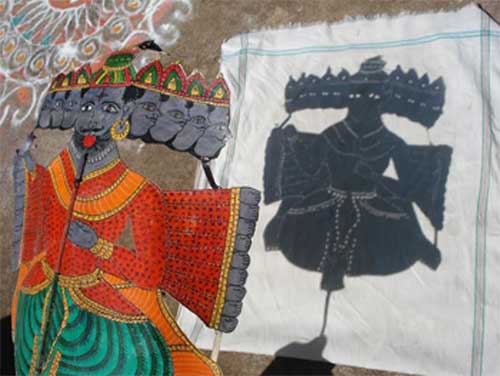
Chitrakathi painting is a unique art form from Maharashtra, India. This art is not just about painting; it tells stories. The word “Chitrakathi” comes from two words: “Chitra” means picture and “Kathi” means story. So, Chitrakathi means storytelling through pictures.
🎉 Calling All Creative Students!
Unleash your imagination in the Areawala Child Painting Challenge !
✨ Showcase your art and earn:
- 🏅 A Prestigious Gold Medal
- 📄 A Free Certificate of Participation
History of Chitrakathi Painting
The Chitrakathi tradition is very old. It started many centuries ago. The artists, called Chitrakathi, used these paintings to tell stories from Indian epics like the Ramayana and Mahabharata. They traveled from village to village, showing their paintings and narrating stories.
How Chitrakathi Paintings Are Made
Creating a Chitrakathi painting is a careful process. Artists use handmade paper and natural colors. They make colors from plants, stones, and other natural materials. The paintings are made using simple tools. Each painting is full of bright and vibrant colors.
Themes in Chitrakathi Paintings
Most Chitrakathi paintings show scenes from famous Indian stories. You will see gods, goddesses, kings, and warriors. Each painting has many small details that make the story come alive. The paintings are often made in series, so one painting is part of a bigger story.
Famous Chitrakathi Artists
One of the famous Chitrakathi artists is Anant Chitrakar. He has kept the tradition alive by teaching others and showcasing his work.
Importance of Chitrakathi Painting
Chitrakathi painting is important for many reasons. It keeps old stories alive. It also shows the creativity and skill of the artists. Today, fewer people know about this art. It is important to support and preserve it.
Where to See Chitrakathi Paintings
You can see Chitrakathi paintings in museums and art galleries. Some artists still create these paintings today. You can also visit villages in Maharashtra where Chitrakathi artists live. They are happy to show their work and tell their stories.
Conclusion
Chitrakathi painting is a treasure of Indian art and culture. It is more than just beautiful pictures. It is a way to connect with history and tradition. By learning about Chitrakathi, we can appreciate the rich heritage of India. So, next time you see a Chitrakathi painting, take a moment to enjoy its beauty and story.
FAQ About Chitrakathi Painting
Q1: What is Chitrakathi painting?
Chitrakathi painting is an art form from Maharashtra that combines storytelling with painting.
Q2: Where did Chitrakathi painting originate?
It originated in Maharashtra, India.
Q3: What stories are depicted in Chitrakathi paintings?
They often depict stories from Indian epics like the Ramayana and Mahabharata.
Q4: What materials are used in Chitrakathi paintings?
Artists use handmade paper and natural colors made from plants and stones.
Q5: Who are the Chitrakathi artists?
Chitrakathi artists are traditional storytellers and painters from Maharashtra.
Q6: Why is Chitrakathi painting important?
It preserves ancient stories and showcases traditional artistic skills.
Q7: Can I still see Chitrakathi paintings today?
Yes, you can see them in museums, art galleries, and some villages in Maharashtra.
Q8: Who is a famous Chitrakathi artist?
Anant Chitrakar is a well-known Chitrakathi artist.
Q9: How can we support Chitrakathi artists?
By buying their artworks, visiting their exhibitions, and spreading awareness about this art form. You can teach art work to your children. As painting is one of the best hobby and tension releaser, attention booster. You can join painting class 1 to 1 from Areawala® Art.
Q10: Are Chitrakathi paintings made in series?
Yes, many Chitrakathi paintings are part of a series that tells a larger story.
View India’s popular art form
- Madhubani Painting: Also called Mithila Painting. Vibrant folk art from Bihar, known for intricate patterns and storytelling.
- Warli Art: Tribal art form from Maharashtra, characterized by simplistic yet expressive depictions of daily life.
- Tanjore Painting: Classical South Indian art form renowned for its rich use of gold foil and vibrant colors.
- Kalamkari Painting: Ancient art form from Andhra Pradesh, using natural dyes and intricate storytelling on cloth.
- Mughal Painting: Detailed miniature paintings from the Mughal era, showcasing courtly scenes and historical events.
- Pattachitra Painting: Traditional art form from Odisha, featuring bold lines, vibrant colors, and mythological themes.
- Gond Painting: Tribal art form from Madhya Pradesh, celebrated for its vibrant colors and intricate patterns inspired by nature.
- Rajasthani Miniature Painting: Diverse styles of miniature paintings from Rajasthan, depicting courtly life, landscapes, and religious themes.
- Kerala Mural Painting: Elaborate and colorful murals found in Kerala’s temples and palaces, showcasing Hindu mythology and folklore.
- Thangka Painting: Tibetan Buddhist art form practiced in parts of India, revered for its spiritual significance and intricate details.
- Kangra Painting: Miniature painting style from Himachal Pradesh, known for its romantic themes and delicate brushwork.
- Pichwai Painting: Devotional art form from Rajasthan, depicting Lord Krishna and his various leelas.
- Kalighat Painting: Folk art from Bengal, characterized by simple lines, bold colors, and depictions of everyday life and deities.
- Mysore Painting: Traditional art form from Karnataka, known for its delicate brushwork and intricate details.